From Delivery Van to Dinner Hall: A Morning Behind Our School Kitchen
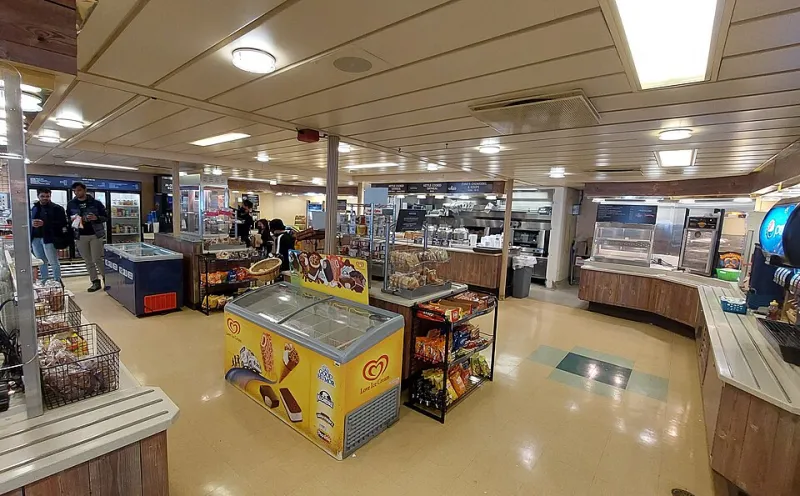
Photo: DeVos Max, CC BY-SA 4.0, via Wikimedia Commons
At 7:12 on a grey November morning, a white delivery van reverses slowly towards the side gate of our school. The kitchen door is already propped open. Inside, the first trolley is being wheeled into place, the ovens are warming, and someone is checking a clipboard against a stack of labelled crates. By 12:15, around 180 hot dinners will leave this room. Between those two moments is a morning of quiet, organised hard work.
The first hour: crates, clipboards and a very important list
The delivery is not simply a case of unloading boxes. Every crate is checked against the order, dates are inspected, and chilled items go straight into the fridge while the temperature log is filled in. The kitchen team works to an allergy matrix that sits on the wall like a map of the school. Names are not on it, but needs are: dairy-free, gluten-free, vegetarian, and the specific instructions that families have shared with the office.
Nothing enters the dining hall without a label check. It sounds bureaucratic. In practice, it is the opposite: it is the reason a pupil with a serious allergy can sit down to a hot meal without a parent having to ring the school twice to check. The team talk about it plainly, as part of the job. The care is in the routine.
From chopping board to serving hatch
By 8am, the vegetable prep has begun. There is a three-week menu rota, but the day is not rigid. If the carrots are particularly good, they might be roasted rather than steamed. If the pasta bake is going out, the sauce is batch-cooked early and tasted before it is portioned. The budget is real, and so is the cost-per-meal figure that sits somewhere behind every choice. The team are careful with ingredients without being mean with them.
Food waste is weighed and noted. That is not a box-ticking exercise either. If a dish comes back untouched, it goes on the list for review. If the same thing happens twice, it gets talked about. The kitchen is not trying to win a restaurant review. It is trying to feed a hall full of children, some of whom are hungry, some of whom are fussy, and some of whom will announce at 11:55 that they do not like mushrooms, despite having eaten them happily last week.
That is where the 'try it' bowls come in. Small portions are offered alongside the main meal so pupils can taste something without committing to a whole plate. It is a small thing. It also works better than a lecture about vitamins.
The taste test: what pupils actually said
Earlier this term, a group of pupils from our Pupil Voice group were invited to taste-test a new veg-packed bolognese. Their verdicts were honest, as ever. One Year 4 tester gave it a cautious thumbs-up and said it needed 'a bit more cheese on top'. Another said they did not know they liked chickpeas. A Year 2 tester asked why the sweetcorn was 'more yellow than usual', which was a fair question and one the kitchen team answered with patience.
The feedback was not just for show. The team took the cheese comment on board, adjusted the topping for the next trial, and kept the chickpea version in the rotation. Pupils notice when their views are acted on. They also notice when they are not. This is one of the small ways the kitchen stays connected to the dining hall it serves.
Allergies, labels and the quiet care behind the counter
For families managing allergies, the kitchen is not a mystery. It is a set of checks, colours, labels and conversations. Staff cross-check the allergy matrix against the day's menu. Serving staff know which plates need which labels. If a child's needs change, the office updates the record and the kitchen is told. That sounds obvious. It only works if families tell us promptly.
So if your child has a new allergy, a changed dietary need, or has been advised to avoid something, please let the office know as soon as possible. It is much easier to plan for a change before the morning delivery than at 11:40 when the trolley is already loaded.
What families can do (and what helps most)
There are practical ways to make the kitchen team's morning smoother. Book school meals by the advertised cut-off so the numbers are right. Update allergy and dietary information as soon as anything changes. Talk about the menu at home, even briefly, so children arrive knowing what is on offer. Label water bottles and lunchboxes. And if your child is going through a fussy phase, let the school know. The team would rather hear it than wonder why a plate came back full.
They are not asking for praise. They are asking for the information that helps them do the job properly.
The last trolley
By 1:20pm, the hall is quiet again. The last trolley has been wiped down, the serving hatch is closed, and the kitchen is being reset for tomorrow. The delivery van is long gone. The clipboards are back on their hooks. It is easy to walk past that door and see only a hatch and a queue. On a November morning, it is worth remembering what sits behind it: early starts, careful checks, a budget, a rota, and a team trying to get 180 hot dinners right.