Butter Side Up: A Morning Inside the Room That Wakes Our School Up
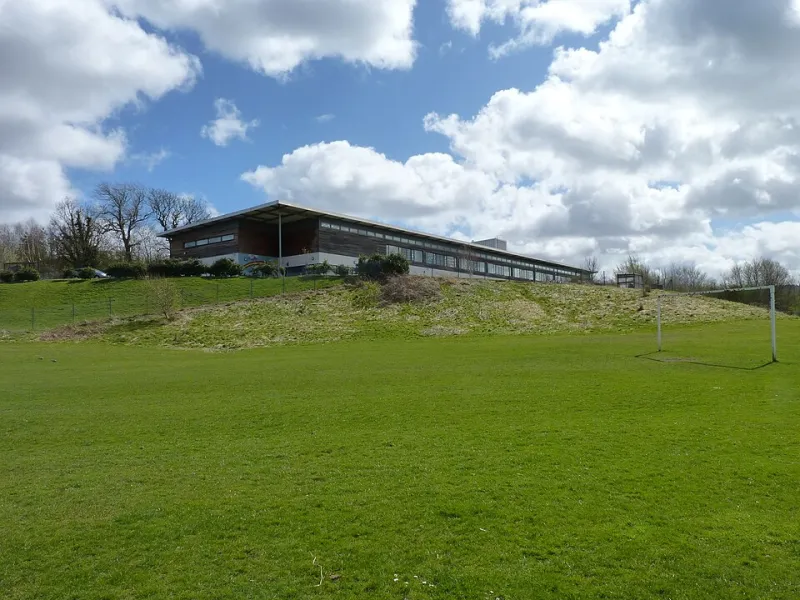
Photo: James Allan , CC BY-SA 2.0, via Wikimedia Commons
At 7:40 on a damp November morning, the corridor outside the hall is still half-asleep. The lights are on, though, and through the double doors comes the unmistakable sound of a toaster being coaxed into life. By 7:45 there will be children at the tables, bowls in hand, and the first game of Connect Four already under way. This is the quiet engine room of our school day.
The first slice at 7:45
The breakfast club doesn't begin with a fanfare. It begins with a checklist. Milk out of the fridge, cereal boxes lined up, bread counted, spreads uncovered, plates within reach. The team arrives well before the first child does, because the difference between a calm room and a chaotic one is usually about ten minutes of preparation and knowing where the spare serving spoon lives.
Children arrive in ones and twos, some still blinking, some already mid-story about a dog, a football match or a lost shoe. They hang up coats, find a seat and get started. There is no queue for the toaster, because the team has learned that a queue is where small mornings go to fall apart. Toast comes in waves. Cereal is self-service. The butter is kept soft enough to spread without tearing the bread, which sounds trivial until you have watched a seven-year-old try to butter cold toast.
What it actually takes to run a morning
Breakfast club is often described as childcare, and it is, but it is also a small daily operation with a budget attached. Every session has to cover staff wages, food, milk, cleaning supplies and the general wear and tear that comes with thirty small people using the same plastic jug. The club charges a fee per child per session, and the numbers are reviewed regularly because the cost of a loaf, a bottle of milk or a box of cereal does not stay still for long.
There is also a staffing rota to fill. The team needs enough adults to supervise, serve and clean, but not so many that the room feels crowded. A couple of staff are first-aiders. Someone knows how the dishwasher works. Someone else remembers which child prefers white toast and which one will only eat cereal if the milk goes on last. These are not formal job requirements, but they are the sort of details that make a morning run smoothly.
Funding is a constant conversation behind the scenes. The club is not a money-maker; it is a service that has to wash its face while remaining affordable for families who need it. That balance is not always easy, especially in a small school community where every price rise is felt on both sides of the serving hatch.
The Connect Four rule
There is an unwritten rule at breakfast club: the games come out after the food, not before. It is not a strict law, but it is a useful one. A game of Connect Four gives children something to do with their hands and their attention once they have eaten, and it gives the room a rhythm. The noise level stays low. The conversation is easy. Nobody is racing anyone to the door because there is still time for one more go.
The same goes for colouring, a small box of bricks and the well-thumbed stack of books in the corner. The team is not trying to entertain every child from the moment they arrive. They are trying to help them settle. There is a difference, and it shows by the time registration comes around.
Why the calm matters
The children who use breakfast club are not a separate group from the rest of the school. They are the same faces you see in the playground later, the same ones who forget their reading folder on a Tuesday. But their mornings often start earlier and involve more moving parts. A parent leaving for work, a bus to catch, a younger sibling to drop somewhere else. Breakfast club takes one of those moving parts and makes it steadier.
Teachers notice it in small ways. A child who has eaten arrives with a bit more patience. A child who has had twenty minutes of low-key company before the bell is less likely to spend the first lesson trying to find their feet. It is not a miracle cure, and nobody pretends it is. It is just a better start.
The small wins you don't see
The best moments at breakfast club rarely make it into a newsletter. A child tries porridge for the first time because a friend is having it. Someone finishes a Connect Four game without flipping the board. A new starter learns where the coat pegs are before the corridor fills up. These are tiny things, but they add up to a school morning that feels manageable rather than rushed.
By 8:40 the tables are wiped, the cereal is back in the cupboard and the last game is being packed away. The hall will soon be needed for assembly, and the breakfast team will move on to the next part of their day. They do not ask for much recognition. But if you have ever dropped a child at the door at 7:45 and driven to work knowing they are fed, warm and occupied, you already know what the club is worth.
Families who want to know more about breakfast club, including current fees and how to book a place, can contact the school office. The kettle is usually on.